My Mirror column:
A list of my favourite films from 2016 – in which real life is a recurring theme.
The year-end list is a bit of a hallowed tradition among critics, and having failed to fulfil that expectation at the end of 2016, I want to do so before the first month of 2017 comes to an end. Let me begin with the necessary caveat: this is not a list that pretends to anything like exhaustiveness. Like all such lists, it is a selection drawn from the films I happened to watch in 2016 and, like me, it is reasonably eclectic and yet not quite as wide-ranging in sweep as it could be.
In terms of language, for instance, this is a list that tilts very much in the direction of Hindi cinema – but I have included some films in other Indian languages that enjoyed the privilege of what we insist on calling a 'national' release: A few shows each in a couple of multiplexes in the bigger Indian cities, accessible to those of us who can pay and are willing to read English subtitles.
This is the first part of a two-part column, and the five films I list below, while starkly different from each other in tenor and sensibility, are united by the fact that they are all fictional engagements with people and events that we know to have existed in the real world.
1. Visaranai (The Interrogation): Vetrimaaran's harrowing film is based on a real-life memoir, offering a blow-by-blow account of the torture a group of young Tamil-speaking migrants suffer at the hands of a posse of Telugu policemen who pick them up under pressure to 'crack' a high-profile case. Tautly crafted and stuffed with affecting performances, Visaranai's devastating home truths about how deep the rot runs in police 'investigation' have managed to travel far and wide while retaining an unapologetic dramatic excess that I can only characterise as Indian.The year-end list is a bit of a hallowed tradition among critics, and having failed to fulfil that expectation at the end of 2016, I want to do so before the first month of 2017 comes to an end. Let me begin with the necessary caveat: this is not a list that pretends to anything like exhaustiveness. Like all such lists, it is a selection drawn from the films I happened to watch in 2016 and, like me, it is reasonably eclectic and yet not quite as wide-ranging in sweep as it could be.
In terms of language, for instance, this is a list that tilts very much in the direction of Hindi cinema – but I have included some films in other Indian languages that enjoyed the privilege of what we insist on calling a 'national' release: A few shows each in a couple of multiplexes in the bigger Indian cities, accessible to those of us who can pay and are willing to read English subtitles.
This is the first part of a two-part column, and the five films I list below, while starkly different from each other in tenor and sensibility, are united by the fact that they are all fictional engagements with people and events that we know to have existed in the real world.
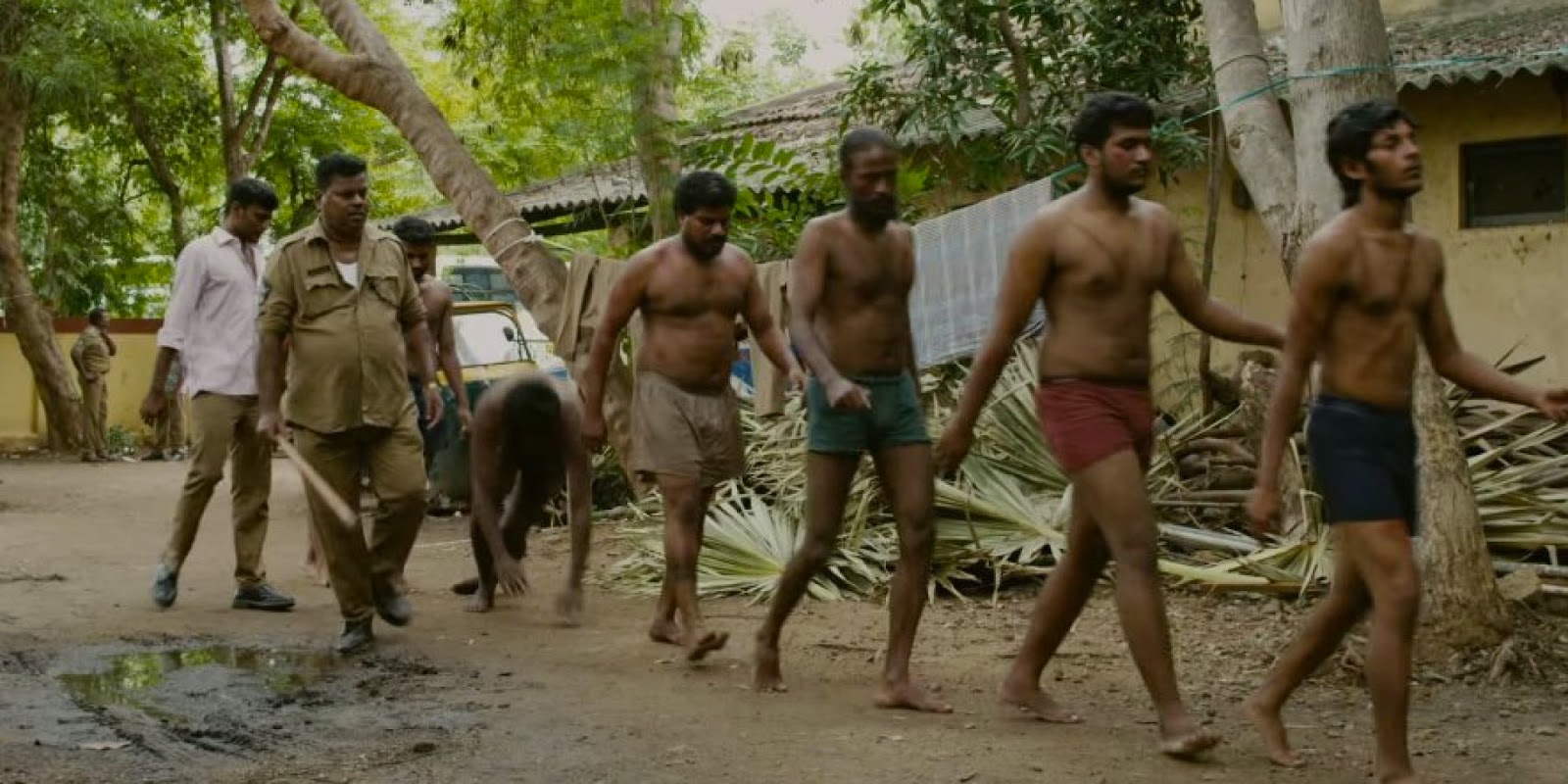 |
| Visaranai (The Interrogation) was India's entry to the 2017 Oscars. (It is no longer in the race.) |

2. Aligarh: Hansal Mehta's film – also drawing on something that was 'covered' in the newspapers – is a portrait of a deeply lonely man: The casualty of a society quick to stigmatise anyone not exactly like themselves, and a media that does not hesitate to invade anyone's privacy. This is a media that speaks less and less for the individual, and more and more for the mob it is helping to create. Mehta and his screenwriter Apurva Asrani have justly been applauded for placing the right to sexual choice on an abstract moral map – but what makes the film so effective is its ability to make potentially unsympathetic audiences perceive Dr Siras in his particular individuality.

3. Neerja: Yet another instance of a fiction feature informed by factual events, Ram Madhvani's film about the Indian flight attendant who was killed trying to save passengers during a 1986 hijack gave us another unlikely heroine, and an unexpectedly convincing performance from Sonam Kapur. Like Deepu Sebastian Edmond, on whom Rajkummar Rao's journalist character is based in Aligarh, all Neerja Bhanot was trying to do was to do her job well. Making heroism flow from something as ordinary as that – following the rules rather than trying to think out of the box – helped recuperate for us the long-lost Hindi cinema ideal of ‘farz’.

4. Raman Raghav 2.0: Marking the return of Anurag Kashyap to top form, this film is less about humanising heroes and more about humanising villains. It's scary stuff, with Kashyap and Vasan Bala's present-day reimagining of a‘60s serial killer given chillingly ordinary form by Nawazuddin Siddiqui. Siddiqui's outstanding performance is hard to rival, but Vicky Kaushal's cokeaddled Raghavan does add an additional layer to the sinister vision of police impunity laid out in Visaranai.

5. Dangal: A wonderfully enjoyable imagining of the childhood and youth of the Phogat sisters: real-life wrestling champions Gita and Babita, who were dragged kicking and screaming into the sporting life by their father Mahavir (played by Aamir Khan). Nitish Tiwari's film offers us new age heroines: Two winsome young women we can cheer for as they kick and punch their way into hard-won stardom, in a male-dominated sport in the male-dominated state of Haryana. And it does so in the finest traditions of old-school Hindi cinema: A song-studded filmic childhood, complete with the heroines 'growing up' before our eyes in a single heart-thumping instant of achievement; plenty of comic relief; a villainous coach whose excessiveness is made believable by the always-marvellous Marathi actor Girish Kulkarni.
(To be continued next week)
Published in Mumbai Mirror, 22 Jan 2017.


